
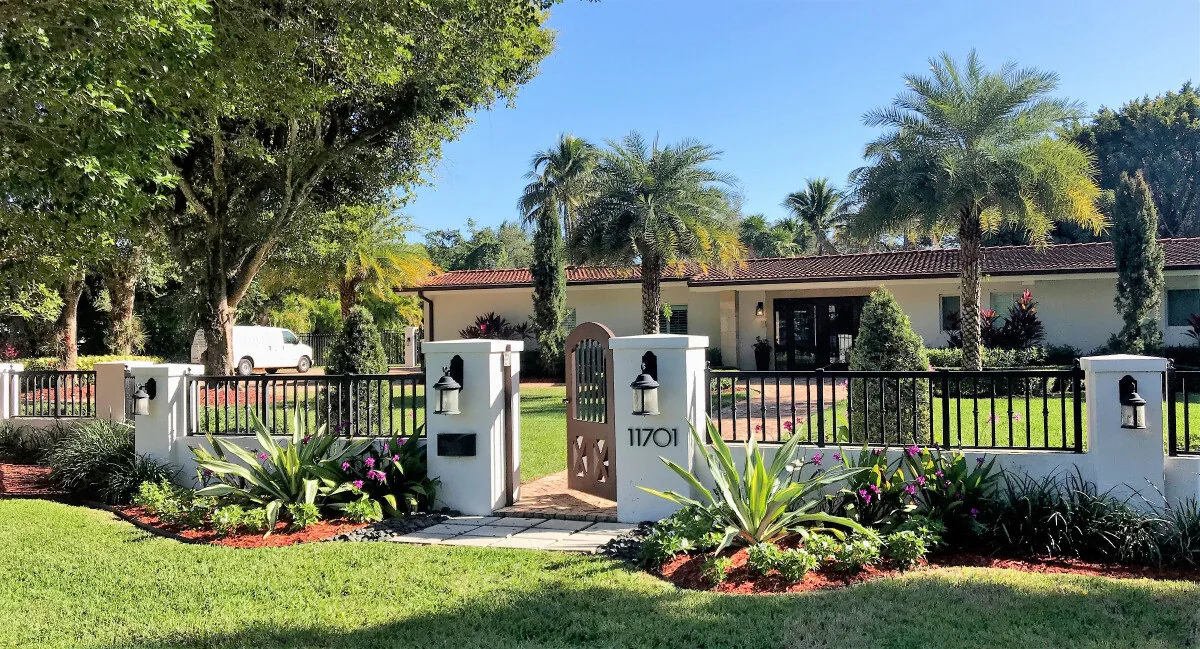
Thinking about ways to make your outdoor space more beautiful and enjoyable?
After years of research and extensive experience designing and installing landscapes in Pinecrest, we created this practical guide to help homeowners move from an initial idea to a clear, buildable plan. Use it to organize your priorities, evaluate your property, plan the way you will use the space, and establish a realistic budget before installation begins.
1. Begin With the Way You Want to Live Outdoors
A successful landscape starts with people, not plants. Before choosing materials or visiting a nursery, write down what you want the property to do for you. A front yard may need stronger curb appeal and a more welcoming entrance, while a backyard might need space for dining, entertaining, children, pets, a pool, or quiet relaxation.
List your must-haves first, then separate them from features that would simply be nice to have. This keeps the design focused and makes it easier to adjust the project if the budget changes.
- How many people will regularly use the space?
- Do you need privacy from neighbors or the street?
- Which existing views should be framed, and which should be screened?
- Will the landscape need room for pets, play, parking, or service access?
- How much ongoing maintenance are you comfortable with?
2. Study the Existing Property
Pinecrest properties often contain mature trees, established palms, large lots, pools, and a mix of sunny and shaded areas. A thorough site assessment helps protect valuable existing features and prevents design decisions that create drainage, access, or maintenance problems later.
Walk the property at different times of day. Note where sunlight falls, where water collects after rain, how people currently move through the yard, and where views open or close. Record the location of structures, utilities, irrigation equipment, gates, walkways, tree roots, and low areas. Existing plants should be evaluated for health, mature size, and whether they support the new plan.
3. Choose a Clear Design Direction
The landscape should feel connected to the architecture of the home. A modern residence may benefit from clean lines, repeated plant forms, and a restrained material palette. A Mediterranean or traditional home may call for softer planting beds, flowering accents, layered greenery, and more ornamental details. Tropical designs can feel lush without becoming visually crowded when plant heights, textures, and colors are organized intentionally.
Choose two or three words to guide every decision—such as tropical, elegant, and private or modern, open, and low-maintenance. A consistent direction makes it easier to select plants, paving, lighting, and furnishings that belong together.
4. Organize the Property Into Functional Zones
Think of the yard as a series of outdoor rooms connected by comfortable paths. Place active areas where they are easy to reach, and reserve quieter corners for gardens or seating. The transition between zones is just as important as each individual space.
- Arrival zone: driveway, front walk, address visibility, lighting, and the main entrance.
- Entertainment zone: patio, dining area, outdoor kitchen, pool deck, or gathering space.
- Private zone: screened seating, garden retreat, or spa area.
- Service zone: equipment, trash storage, utilities, and maintenance access.
- Green zones: canopy trees, layered planting beds, lawn, pollinator areas, and focal gardens.
Paths should follow natural movement patterns and remain wide enough for their intended use. Avoid creating narrow passages that become difficult to navigate once plants mature.
5. Select Plants for the Right Place
Plant selection should be based on mature size, sunlight, soil moisture, wind exposure, irrigation needs, and the amount of care each plant requires. The goal is not to fill every open space immediately. A well-designed landscape leaves room for plants to grow into their intended form.
Create depth by layering canopy trees and palms, mid-height shrubs, lower accent plants, and groundcovers. Repeat key plants across the property to create rhythm and unity. Use color as an accent rather than relying on many unrelated varieties. Where practical, include Florida-friendly and native selections suited to South Florida conditions.
Consider maintenance from the beginning. Plants that require frequent trimming should not block windows, paths, signs, or equipment. Trees should be placed with their future canopy and root spread in mind, especially near roofs, pavement, utilities, and property lines.
6. Plan Drainage and Irrigation Early
Drainage and irrigation affect the health of every part of the landscape. They should be planned before new beds, hardscape, or turf are installed. Identify low areas and roof runoff, preserve positive drainage away from structures, and avoid directing water toward neighboring properties.
Irrigation zones should group plants with similar water needs. Lawn, tropical planting beds, drought-tolerant areas, and newly installed trees may require different schedules or delivery methods. Proper coverage and sensible scheduling help reduce waste while giving new plantings the consistent moisture they need to establish.
7. Coordinate Hardscape, Lighting, and Special Features
Walkways, patios, retaining elements, water features, artificial turf, and landscape lighting should be integrated into the plan rather than added as afterthoughts. Select a limited family of materials that complements the home and can withstand South Florida's climate.
Landscape lighting can improve safety while highlighting trees, architectural details, pathways, and planting textures. The most comfortable lighting designs use several subtle layers instead of a few overly bright fixtures. Plan fixture locations and wiring before final planting so the installation is clean and serviceable.
8. Build a Realistic Landscape Budget
A complete budget should include more than plants. Account for site preparation, demolition, grading, drainage, irrigation, hardscape, lighting, soil improvements, mulch, delivery, equipment access, cleanup, and ongoing care. Larger specimens create an immediate effect but can use a significant portion of the budget, so decide where instant impact matters most.
If the full project cannot be completed at once, divide it into logical phases. Complete grading, drainage, utilities, and major hardscape first. Follow with trees and structural planting, then finish with smaller plants, lighting, furnishings, and decorative details. A master plan keeps each phase connected to the final vision.
9. Prepare for Installation and Establishment
Before work begins, confirm property access, protection for existing trees and structures, material staging, and the sequence of installation. Verify whether any proposed work requires current village, county, utility, or homeowners association review.
New landscapes also need an establishment plan. Irrigation should be monitored and adjusted as roots develop. Mulch depth, plant health, weeds, settling, and drainage should be checked regularly during the first months. Early corrections are easier and less costly than waiting for a small issue to become a larger one.
10. Use This Final Planning Checklist
- Define the property's primary uses and design priorities.
- Measure the site and document sun, shade, drainage, utilities, and existing plants.
- Select a design style that complements the home.
- Organize circulation and outdoor living zones.
- Choose plants according to mature size and site conditions.
- Coordinate irrigation, drainage, hardscape, and lighting.
- Prepare a complete budget and sensible installation sequence.
- Plan for establishment care and long-term maintenance.
Bring Your Pinecrest Landscape Plan to Life
A thoughtful plan helps prevent costly changes during construction and creates a landscape that looks cohesive, functions well, and becomes more beautiful as it matures. Nature's Dream Landscape & Tree Service can help you evaluate your property, organize your ideas, and move from design through installation.