
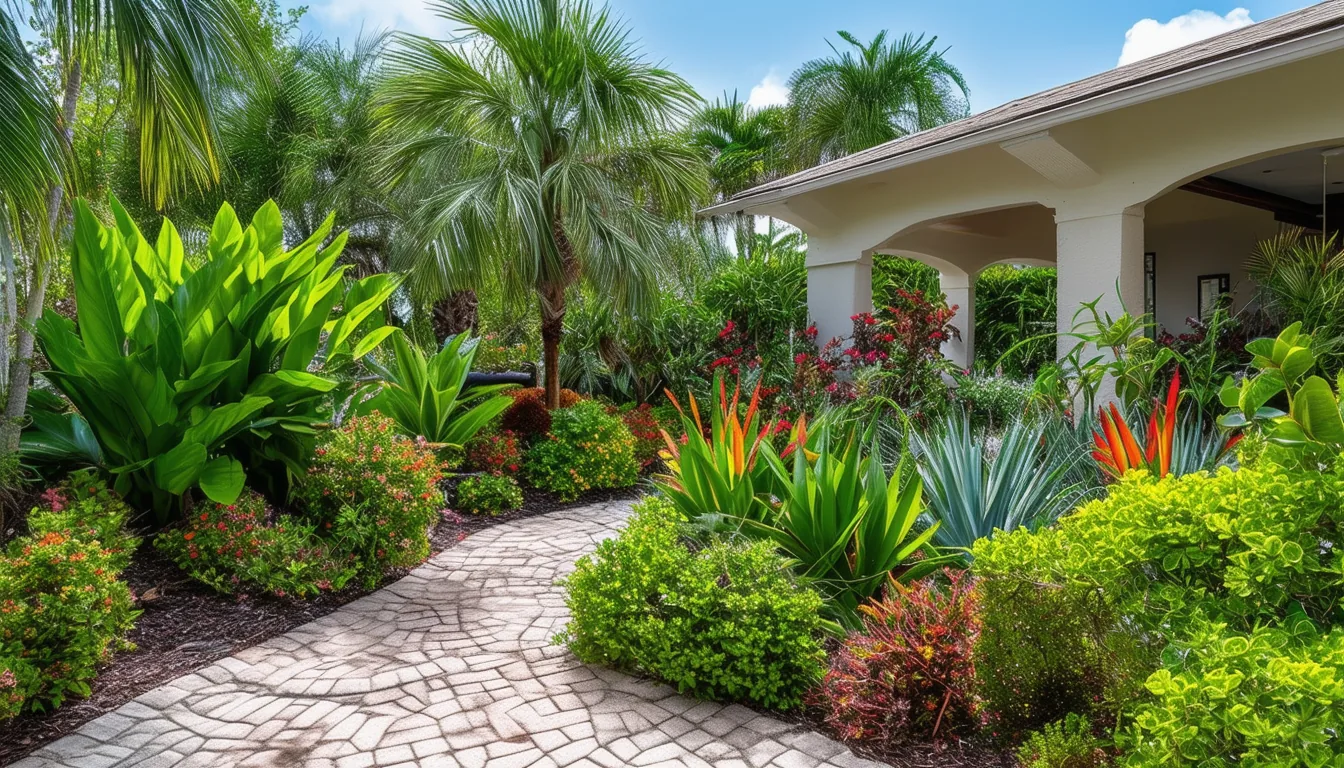
Discover the best low water plants that not only survive but thrive in South Florida's unique climate, helping you create a stunning and sustainable landscape.
Understanding South Florida's Climate and Soil Conditions
South Florida's climate is characterized by its subtropical nature, with hot and humid summers and mild, dry winters. This region experiences significant rainfall during the wet season, but it's also prone to droughts during the dry months. Understanding these climatic patterns is essential for selecting plants that can withstand periods of low water availability.
The soil in South Florida is typically sandy and well-draining, which can pose challenges for water retention but also benefits plants adapted to these conditions. Knowing the soil type is crucial for choosing the right plants that can thrive without requiring excessive irrigation.
Top Low Water Plants Ideal for South Florida
Several low water plants are well-suited to South Florida's environment. Some of the top choices include the stunning Bougainvillea, which is not only drought-tolerant but also adds vibrant colors to any landscape. The native Coontie (Zamia pumila) is another excellent option, known for its hardiness and low water needs.
Other great choices include the Agave, known for its striking appearance and minimal water requirements, and the Muhly Grass (Muhlenbergia capillaris), which adds texture and color to landscapes while being incredibly drought-resistant. These plants can help create a beautiful and sustainable garden that thrives in South Florida's climate.
Benefits of Using Native Plants in Your Landscape
Incorporating native plants into your landscape offers numerous benefits. Native species are adapted to the local climate and soil conditions, making them more resilient to drought and local pests. This means they require less water, fertilizers, and pesticides, which can save time and money while promoting a healthier environment.
Native plants also support local wildlife, providing essential habitats for birds, butterflies, and other pollinators. By using native plants, you contribute to the preservation of South Florida's natural ecosystems, enhancing biodiversity and creating a more sustainable and vibrant landscape.
Tips for Planting and Maintaining Low Water Plants
Planting and maintaining low water plants require some specific strategies to ensure their success. Start by selecting a location that mimics their natural habitat, such as well-drained soil and full to partial sun exposure. Group plants with similar water needs together to create watering zones, which can help conserve water and ensure each plant gets the care it needs.
Mulching is another effective technique to retain soil moisture, reduce evaporation, and suppress weeds. Regularly check the soil moisture levels and water deeply but infrequently to encourage deep root growth. By following these tips, you can create a thriving low water garden that stands up to South Florida's challenging conditions.
Incorporating Low Water Plants into Modern Construction Projects
Incorporating low water plants into modern construction projects can significantly enhance the sustainability and aesthetic appeal of a development. These plants can be used in various settings, from residential gardens to commercial landscapes, providing a low-maintenance and eco-friendly solution.
Using low water plants in construction projects aligns with green building practices, reducing water consumption and maintenance costs. They can be integrated into green roofs, xeriscaping, and other sustainable landscaping designs, contributing to LEED certification and other environmental standards. By choosing drought-resistant plants, developers can create beautiful, functional, and sustainable spaces that are well-suited to South Florida's unique climate.